- 3
- 2
- 3
- 1
Tarangire National Park
Where Ancient Baobabs Stand Sentinel Over Elephant Kingdoms
There’s a certain magic to places that reveal themselves slowly—without fanfare, without crowds, without pretense. Tarangire National Park is one of those rare gems. Stretching across 2,850 square kilometers of northern Tanzania, this park unfolds like a timeless African painting: a golden sea of savanna punctuated by colossal baobab trees, their gnarled silhouettes standing as silent witnesses to centuries of wildlife passage below.
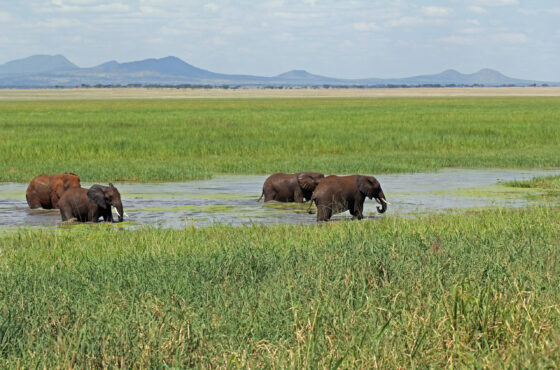
Tarangire’s soul belongs to its elephants. During the dry season (June through October), when water vanishes from surrounding lands, the life-giving Tarangire River becomes a magnet for one of East Africa’s most concentrated elephant populations. Herds numbering in the hundreds—sometimes over a thousand strong—converge here, their weathered matriarchs leading generations of calves, adolescents, and bulls across the dusty plains. Watching these gentle giants navigate beneath baobabs that predate European exploration, their trunks raised in quiet communication, offers a safari moment both humbling and deeply moving.
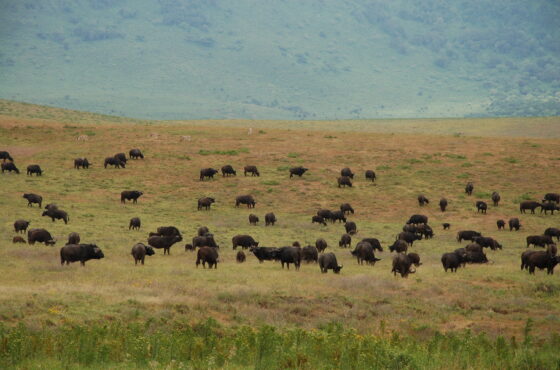
Beyond the elephants, Tarangire rewards those who appreciate intimacy over spectacle. With fewer vehicles than its famous neighbors, game drives here unfold at a contemplative pace. You might spend an entire hour observing a leopard draped across a sausage tree’s branches, track the elusive greater kudu with its magnificent spiral horns through acacia thickets, or witness giraffes moving like slow-motion shadows across the horizon. The park hosts one of Tanzania’s healthiest lion populations, while its swamps shelter everything from buffalo and zebra to the peculiar-looking fringe-eared oryx.
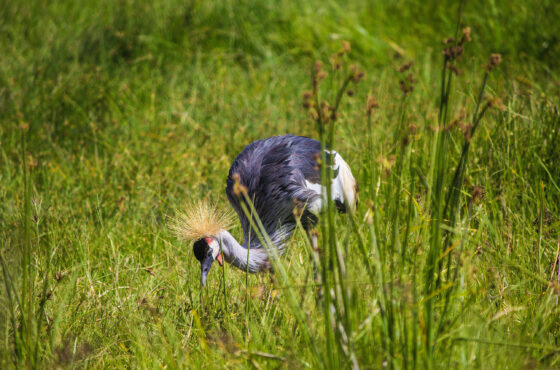
Birders consider Tarangire sacred ground. With over 550 recorded species—from the comical ground hornbill striding through grasslands to vibrant bee-eaters flashing jewel-toned wings—the park offers some of East Africa’s richest avian diversity. The Silale Swamp and Tarangire River attract everything from fish eagles to the endemic yellow-collared lovebird, making every turn a potential discovery.
What distinguishes Tarangire isn’t drama on the scale of the Great Migration, but something equally precious: authenticity. This is safari as it felt decades ago—unhurried, personal, and deeply connected to landscape. The baobabs themselves seem to hold memory in their swollen trunks; some are over a thousand years old, having watched kingdoms rise and fall while wildlife rhythms continued uninterrupted beneath their branches.
For travelers seeking to move beyond the well-trodden circuit without sacrificing wildlife richness, Tarangire offers a compelling invitation. It’s the park you visit not because it’s famous, but because it feels true a place where the land itself seems to breathe, where elephants rule as they have for millennia, and where the simple act of watching a baobab glow amber in the setting sun becomes its own kind of pilgrimage.
Come for the elephants. Stay for the silence. Leave with the understanding that some of Africa’s most profound moments happen not in the spotlight, but in the quiet spaces between.
7 Days Tanzania Classic Safari
From
$4,200