- 2
- 2
- 2
- 1
Serengeti National Park
Where the Wild Still Roams Free.
There are few places on Earth where nature writes its own rules with such raw, unscripted power and the Serengeti is among them. Stretching across 14,750 square kilometers of northern Tanzania, this UNESCO World Heritage Site isn’t just a park on a map; it’s a living theater of survival, renewal, and breathtaking beauty that has captivated explorers and wildlife enthusiasts for generations.
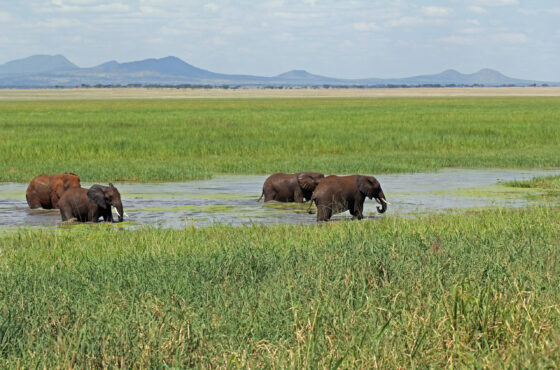
At the heart of the Serengeti’s legend is the Great Migration the planet’s last great terrestrial wildlife spectacle. Each year, over 1.5 million wildebeest, joined by hundreds of thousands of zebra and gazelle, embark on a 1,800-kilometer circular journey across the plains in search of fresh grazing. Witnessing thousands of animals surge across the Mara River, evading crocodiles and predators in a pulse pounding race for survival, remains one of safari’s most profound experiences. Yet the migration is merely the headline act in an ecosystem teeming with life: more than 3,000 lions patrol territories beneath acacia-dotted horizons, leopards drape themselves over sausage trees, cheetahs sprint across open grasslands, and elephants move in wise, deliberate family groups across the landscape.
What makes the Serengeti exceptional isn’t just its density of wildlife it’s the diversity of experiences within a single park. The southern plains transform into a nursery each January through March during calving season, when 8,000 new wildebeest enter the world daily. The Western Corridor offers dramatic river crossings and dense riverine forests. The remote northern reaches border Kenya’s Maasai Mara, while the central Seronera Valley delivers reliable year-round game viewing amid granite kopjes that serve as lion strongholds. With over 500 bird species filling the skies and the Big Five roaming freely, every game drive unfolds as its own story.
Beyond the wildlife, the Serengeti represents a conservation success story rooted in partnership. Community-based initiatives work alongside park authorities to ensure local Maasai communities benefit from tourism while protecting critical wildlife corridors beyond park boundaries. This holistic approach helps safeguard not just iconic species but the entire ecosystem from the smallest dung beetle recycling nutrients into the soil to the vast herds that shape the landscape itself.
Recognized repeatedly as Africa’s Leading National Park at the World Travel Awards, the Serengeti continues to set the standard for authentic safari experiences. Whether you’re watching a pride of lions rest in golden afternoon light, tracking a leopard’s silent passage at dawn, or standing witness to the thundering hooves of the migration, the Serengeti offers something increasingly rare: the chance to encounter wilderness on its own terms.
This is more than a destination. It’s a reminder of what our planet once was and what, through thoughtful stewardship and respectful travel, it can remain for generations to come. Your journey here doesn’t just observe nature; it connects you to one of Earth’s last great wild heartbeats.
7 Days Tanzania Classic Safari
From
$4,200